New Orleans After Hurricane Katrina: A City's Resilience and Recovery
Context and Destruction
New Orleans, a city known for its rich history and cultural heritage, was particularly vulnerable to the storm due to its low elevation and proximity to the Gulf of Mexico. The city's levee system, designed to protect against flooding, was no match for the powerful storm surge that accompanied Katrina. As a result, entire neighborhoods were inundated with water, leaving homes, businesses, and infrastructure severely damaged or destroyed. 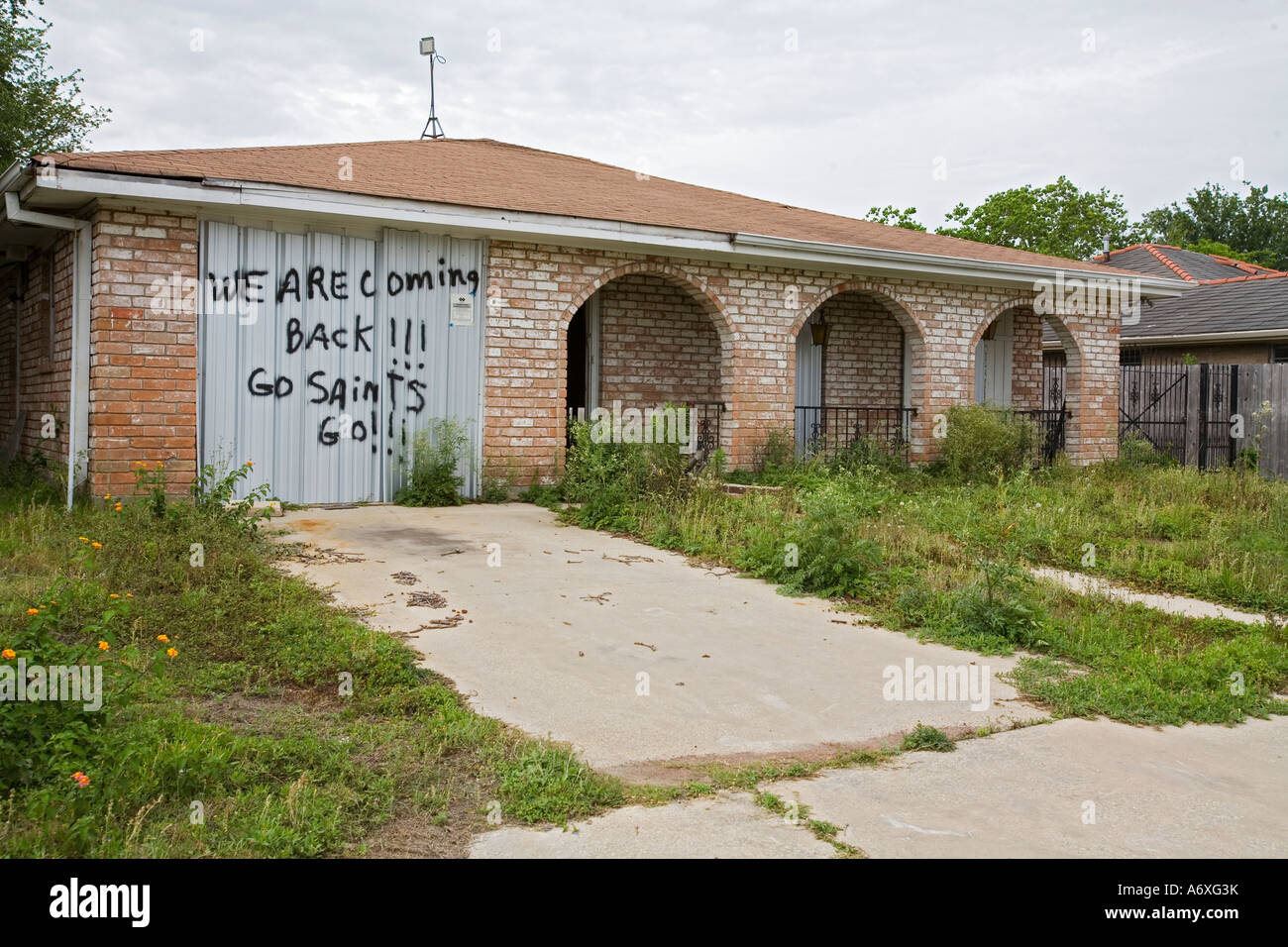
Response and Relief Efforts
The aftermath of Katrina saw a massive relief effort, with thousands of emergency responders, volunteers, and aid workers descending upon the city to provide assistance to those in need. The Federal Emergency Management Agency (FEMA) played a key role in coordinating the response, providing critical resources like food, water, and shelter to affected communities. Despite these efforts, many residents were forced to flee the city, seeking refuge in other parts of the country. 
Recovery and Rebuilding
In the years following Katrina, New Orleans underwent a significant transformation, with billions of dollars invested in rebuilding and revitalizing the city. New levees and flood protection systems were constructed, designed to provide greater security against future storms. Additionally, many neighborhoods were revitalized, with new homes, businesses, and community facilities erected to replace those lost. While much work remains to be done, the city's resilience and determination have been evident in its recovery efforts. The city's iconic landmarks, such as the French Quarter and Bourbon Street, have been restored, and a new generation of entrepreneurs and artists has emerged, helping to revitalize the city's vibrant cultural scene.
Implications and Lessons Learned
The devastating impact of Hurricane Katrina served as a wake-up call for cities and communities across the United States, highlighting the importance of disaster preparedness and infrastructure resilience. The storm also underscored the need for coordinated response and relief efforts, as well as the importance of addressing the social and economic disparities that can exacerbate the effects of natural disasters. As the city continues to rebuild and grow, the legacy of Katrina will remain an important reminder of the power of nature and the importance of community resilience and determination.
New Orleans After Hurricane Katrina - Stock Image - E158/0155 - Science

New Orleans after Hurricane Katrina - Stock Image - E158/0155 - Science ...
New Orleans After Hurricane Katrina - Stock Image - C025/3478 - Science

New Orleans After Hurricane Katrina - Stock Image - C025/3478 - Science ...
New Orleans After Hurricane Katrina - Stock Image - E158/0157 - Science

New Orleans after Hurricane Katrina - Stock Image - E158/0157 - Science ...